



Description
A Timeless Story, Reimagined in Letterpress
The Little Prince is one of those few stories that is widely read and cherished by children and adults alike. First published in 1943 and illustrated by Antoine de Saint-Exupéry himself, this simple tale tells the story of a child, the little prince, who travels the universe gaining wisdom. The story also addresses themes of loneliness, friendship, love, and loss. The novella has been translated into hundreds of languages and has sold over 200 million copies worldwide, making it the world’s most translated non-religious book.
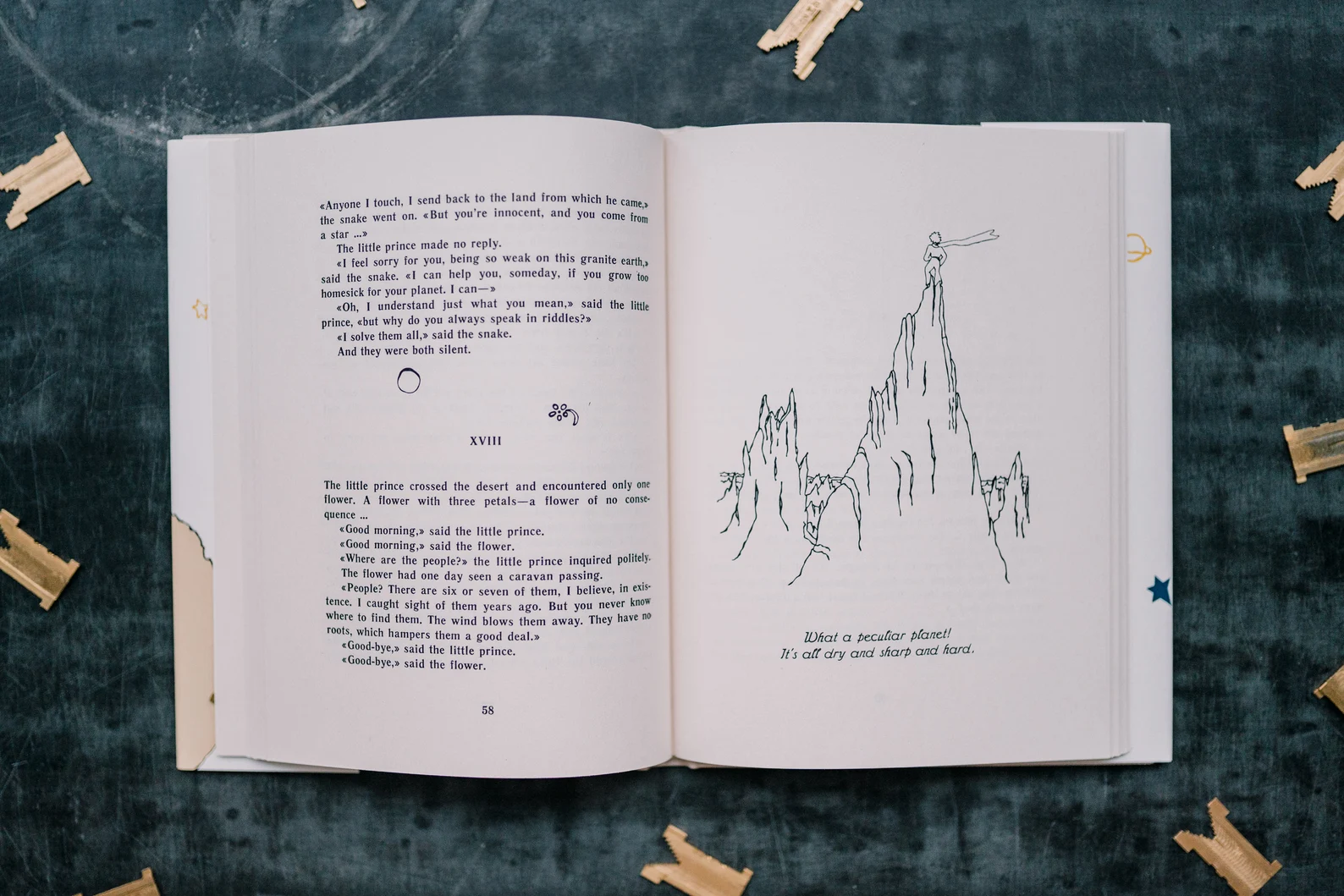
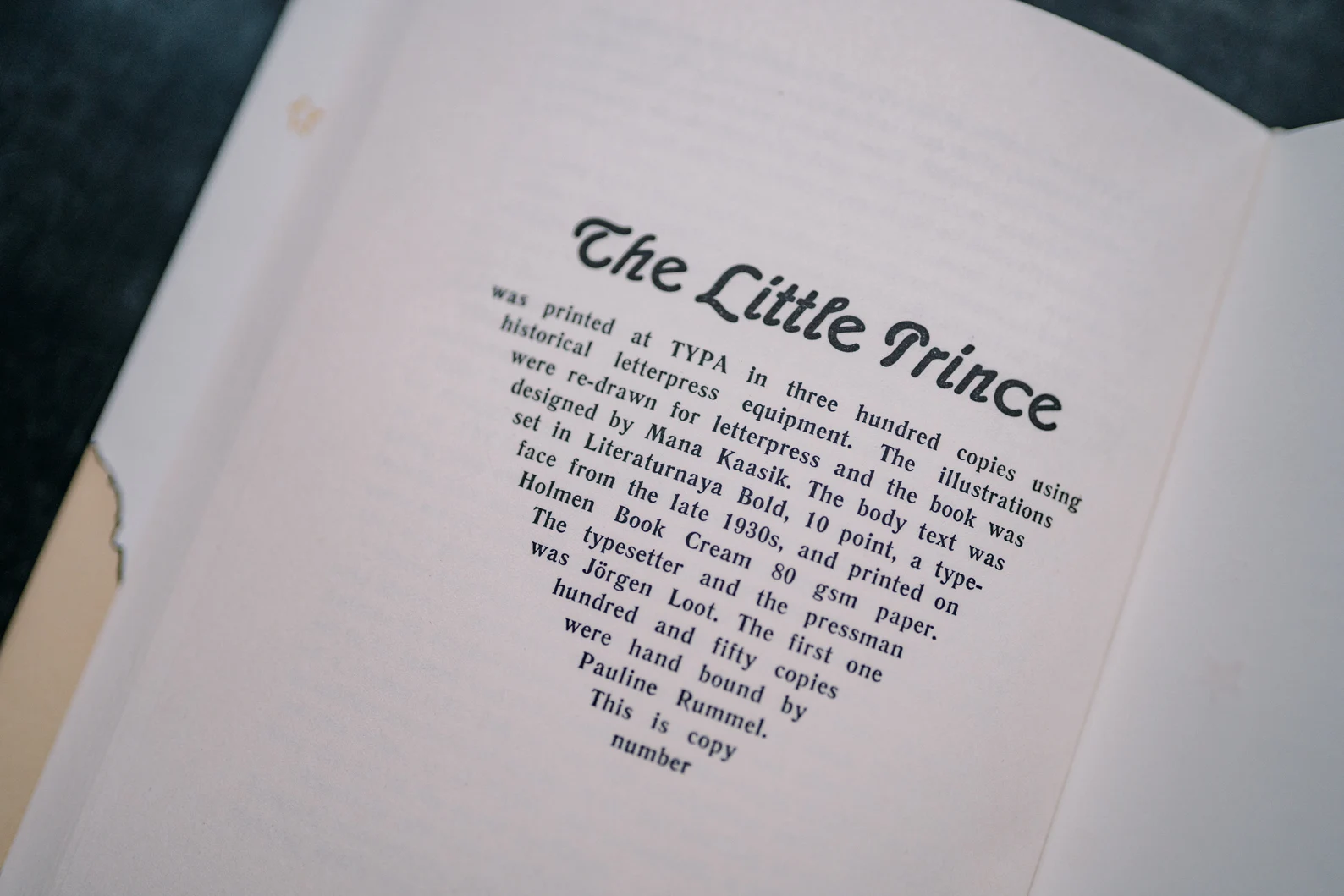
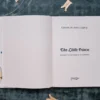
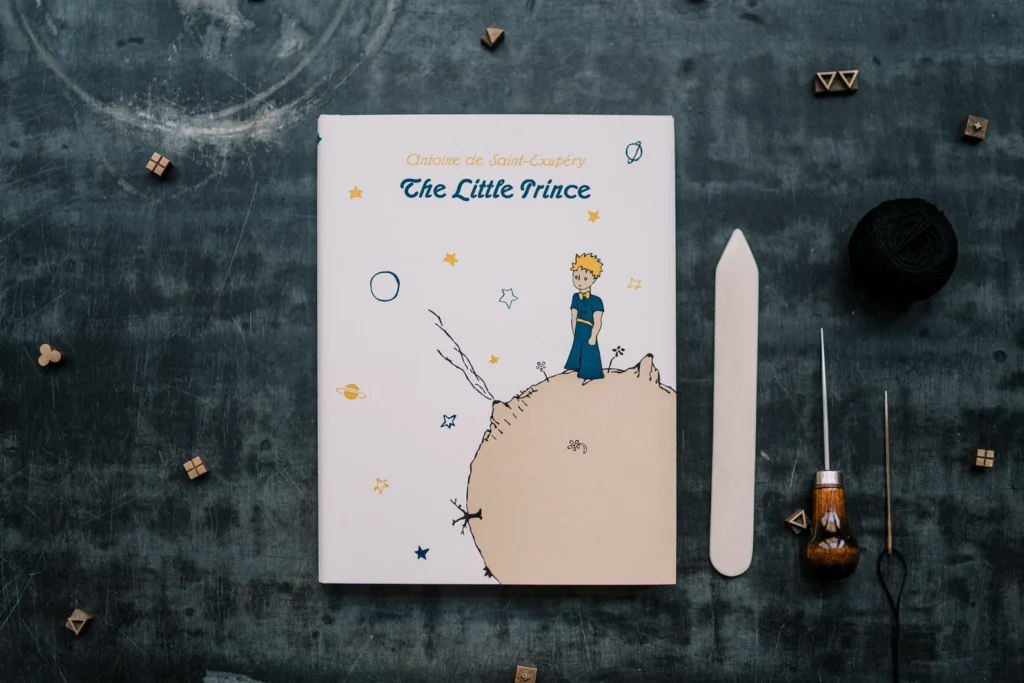
In 2019, we decided to print and publish a truly special letterpress version of the beloved story of ‘The Little Prince’. Using the techniques and equipment from the 20th century or earlier, we composed the text lines on a Linotype line casting machine and printed the book on a cylinder press from 20th century. The books were printed in 300 copies, of which copies no 1-150 (Collector’s Edition) were handbound at TYPA.
Letterpress Printed, Composed with Linotype
We composed the text line by line on a typecasting machine called N-14 (a soviet copy of the Linotype machine). Once the workhorse of all printing houses, the Linotype is like a giant typewriter, that operates to a constant clicking of little brass matrices, each a mold for a single letter. One by one the matrices are assembled by key presses, formed into a line, cast into lead and then re-sorted back into their places. For the Little Prince we had to use a few hundred kilograms of metal to cast several thousand lines of text.
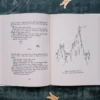
Once that all the text lines were casted (and proofed and recasted), we assembled the text lines and illustration plates into pages in precise layout. The assembled pages (the printing forme) was fed into a cylinder press, where a central steel cylinder rolls over the letters, creating an impression on the paper. We used our heaviest and loudest machine, Victoria Polygraph V 1040-2, to print the pages of the book.
Typography, Illustrations & Book Design
Due to the limitations of the Linotype system, the font selection was limited with our collection of Linotype matrices. Some of them were too small, some were too big and some were from another alphabet. Luckily, there was one set of matrices (almost) perfect for this project: Literaturnaya, a typeface designed in the late 1930s for Polygraphmash type foundry. It is important to note that we had to make some creative judgments to follow English grammar:
- There is no italics in our Literaturnaya matrice set. This means that the monologues or the book titles (i.e. True Stories in the first chapter) could not be printed in italics as would be the correct way.
- There are no é, â or ç. We had to drew the acutes by hand.
- English quotation marks (“…”) and the left single quotation mark (‘… ) are missing so we used guillemets («…») for the dialogue and monologue, and right single quotation marks (’…’) to emphasize some words or mark dialogues within dialogues.
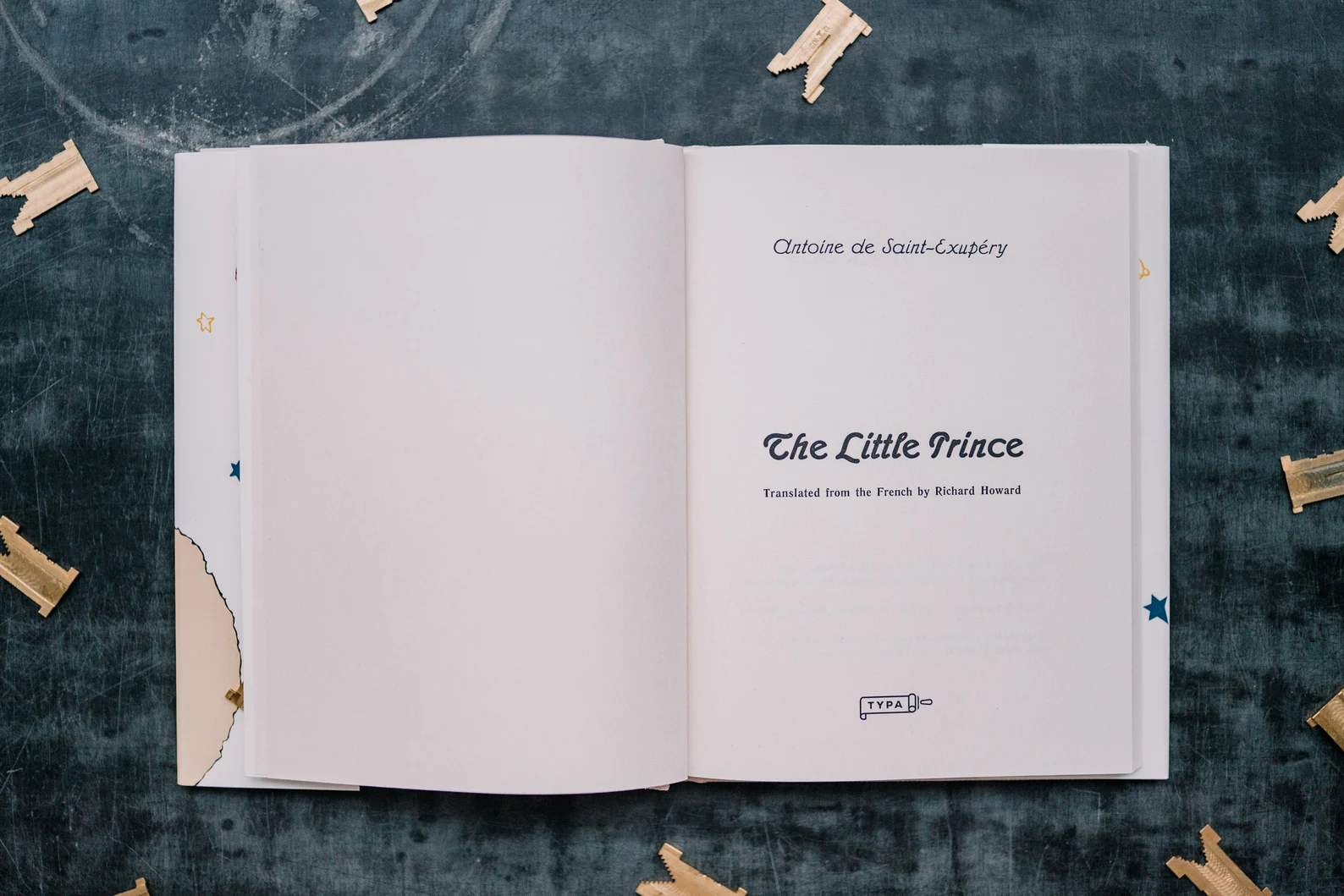
The title of the book was composed by hand. For this we used the Admiral font (designed by a German type foundry William Wöllmers) from our movable type collection.
Supporting TYPA
At TYPA, we preserve and work with historic printing and papermaking technology. As a non-profit organisation based in Estonia, we focus on keeping traditional techniques alive through practical use, research, education, and collaboration. Alongside producing limited edition prints and books, we host guided tours, workshops, courses, and an international artist-in-residence programme. Every purchase supports the preservation of historic printing machinery, ongoing research into printing heritage, and educational programmes for schools and visitors. By choosing this book, you are helping keep letterpress printing alive for future generations. Thank you!
Edition Details
- Title: The Little Prince by Antoine de Saint-Exupéry
- Language: English
- English translation copyright © 2000 by Richard Howard. (Translation published by special arrangement with Houghton Mifflin Harcourt Publishing Company.)
- Limited letterpress edition printed at TYPA in 300 copies.
- Text lines casted on N-14 line casting machine.
- Printed on Victoria Polygraph V1040-2 cylinder press. Endpapers printed on Heidelberg T.
- Letterpress edition bound by Greif Ltd print house.
- Book design and layout: Mana Kaasik
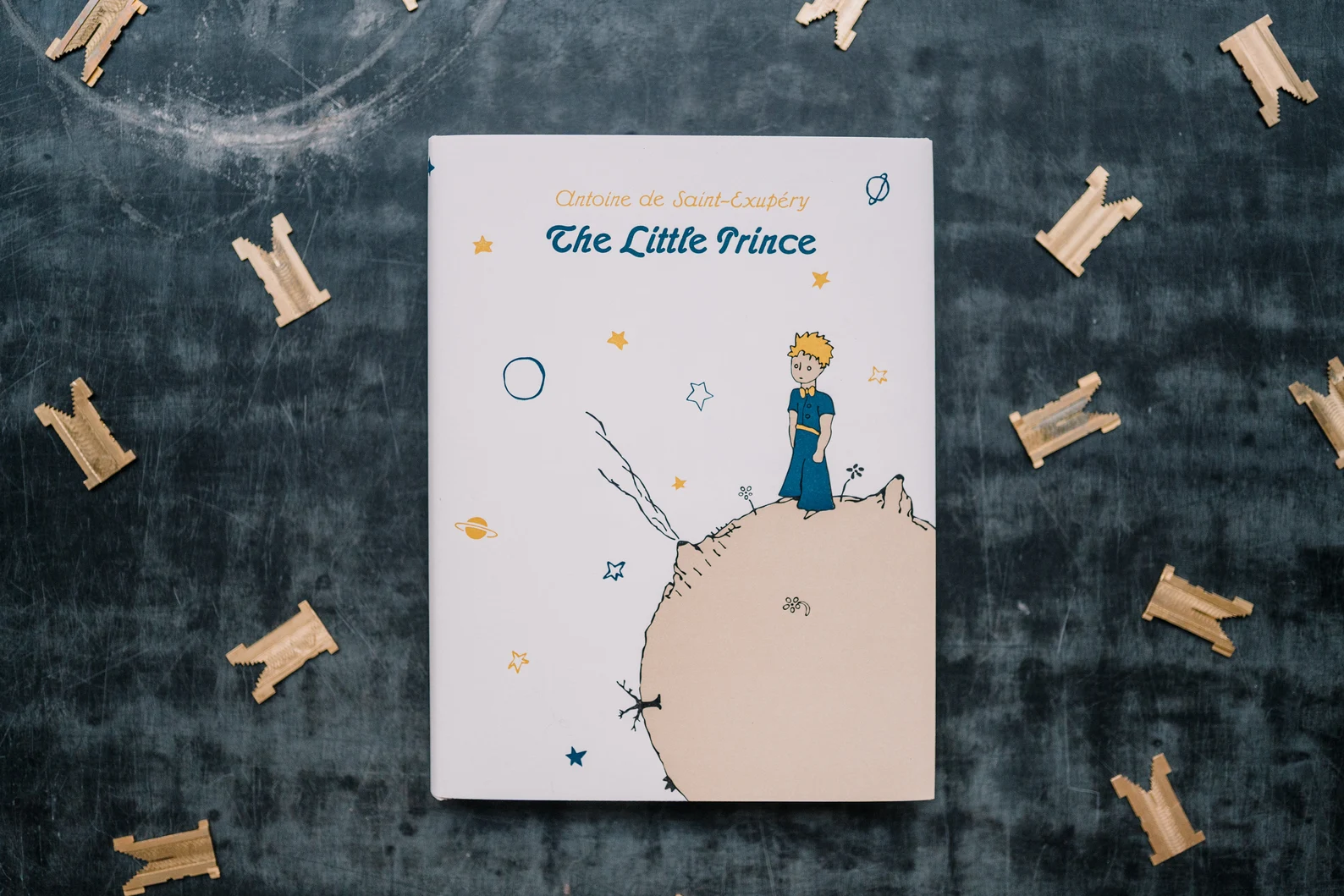
- Illustrations: Liisi Reitalu, Mana Kaasik and Maria Kanatova based on Antoine de Saint-Exupéry’s originals
- Fonts: Literaturnaya bold 10 p, Admiral regular 24 p
- Content: Holmen Book 75, 80 gsm paper (letterpress printed, one color)
- Endpapers: Munken Pure 150 gsm paper (letterpress printed, one color)
- Dust jacket: Munken Pure 150 gsm paper (letterpress printed, four colors)
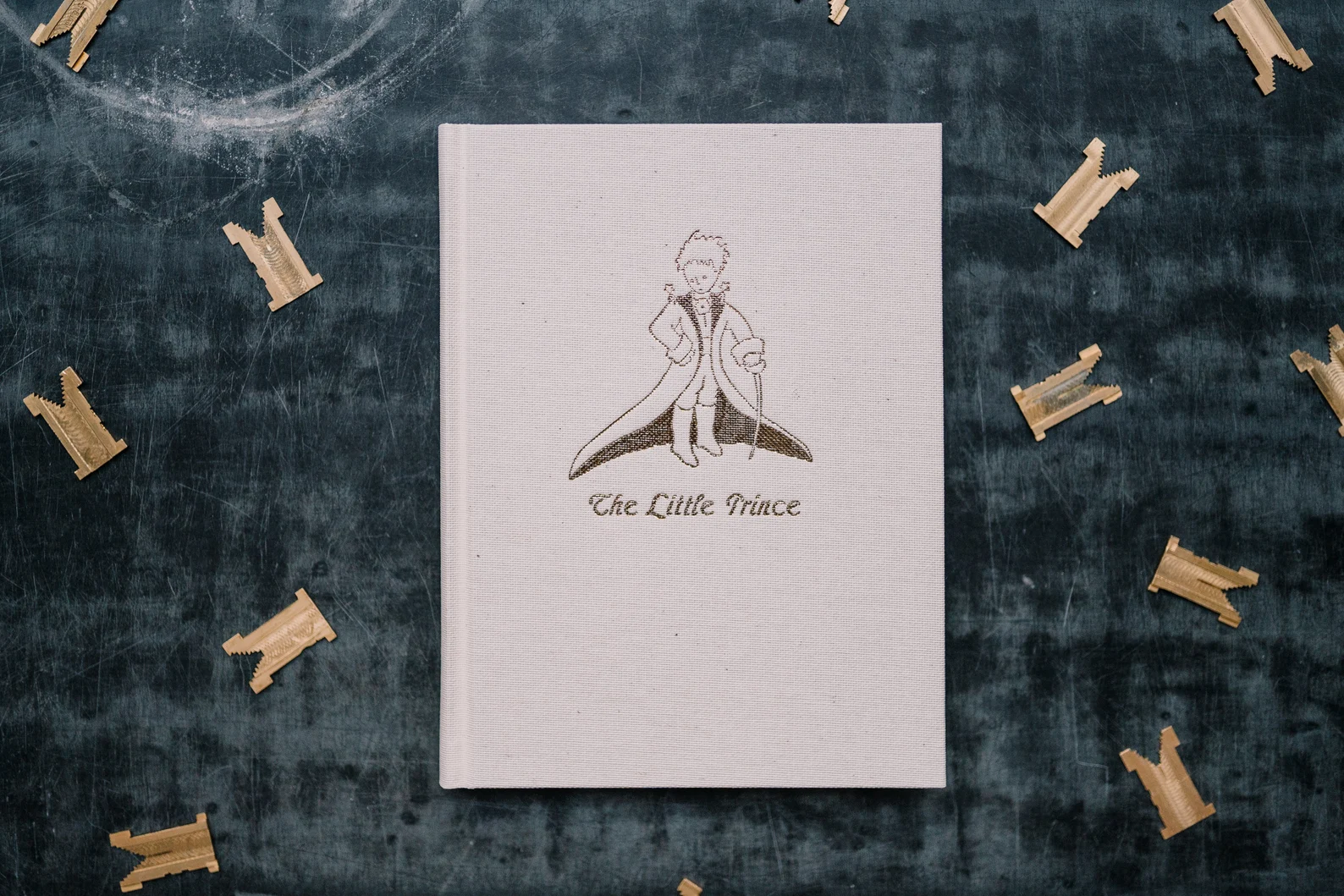
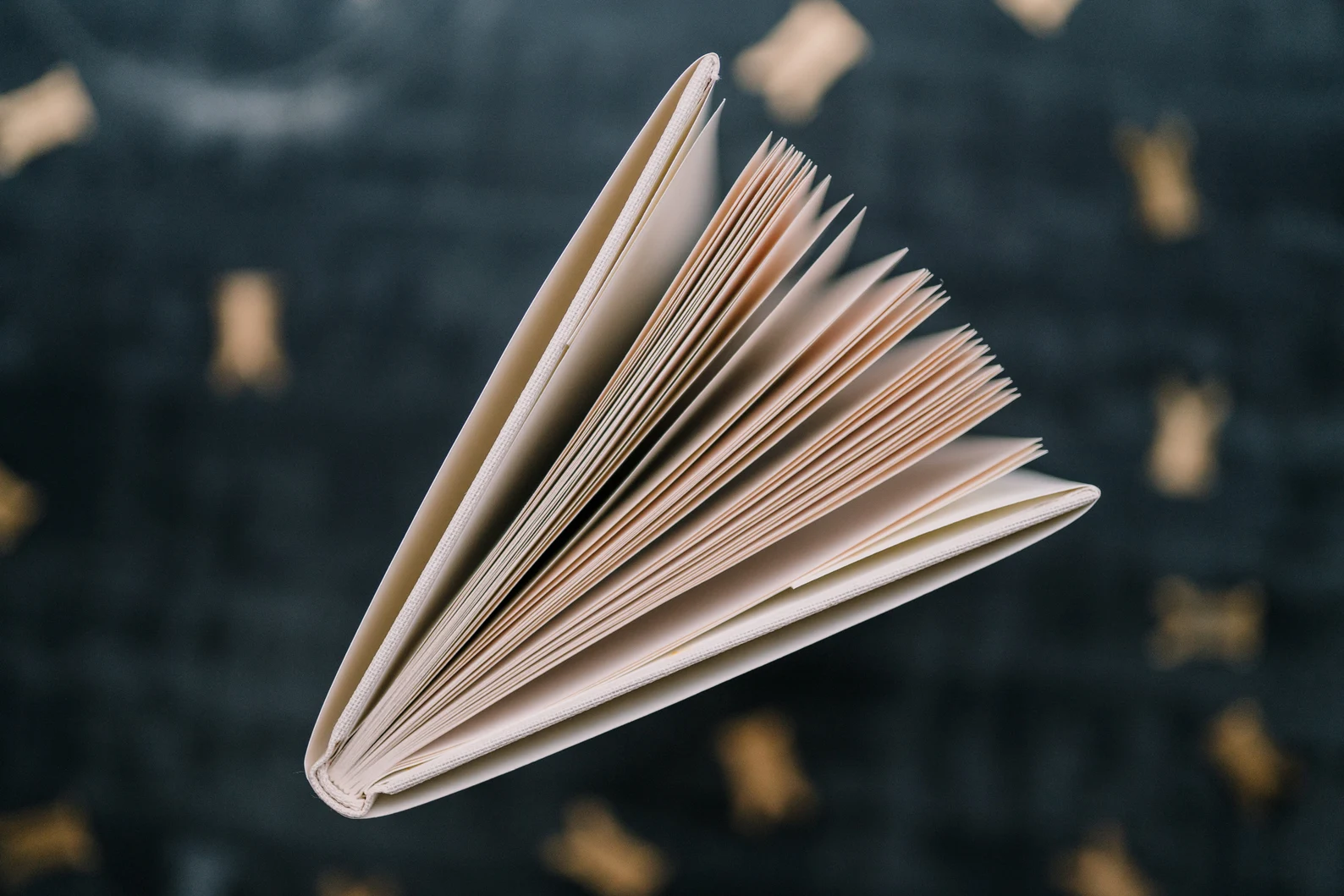
- Covers: full-cloth, natural linen (hot foil embossing)
- Book measurements: 155 x 206 mm
Production Partners
TYPAstationery produced this edition in collaboration with Greif Ltd, Tartu, Estonia.
Reviews
There are no reviews yet.